
Transform Your Basement into a Legal Living Space: A Step-by-Step Guide
Transforming your basement into a legal living space can increase your home's value and provide additional living quarters. However, there's more to it than just adding furniture and decor. Let's explore the essential steps to ensure your basement is both functional and compliant with local regulations.
Understand Local Building Codes
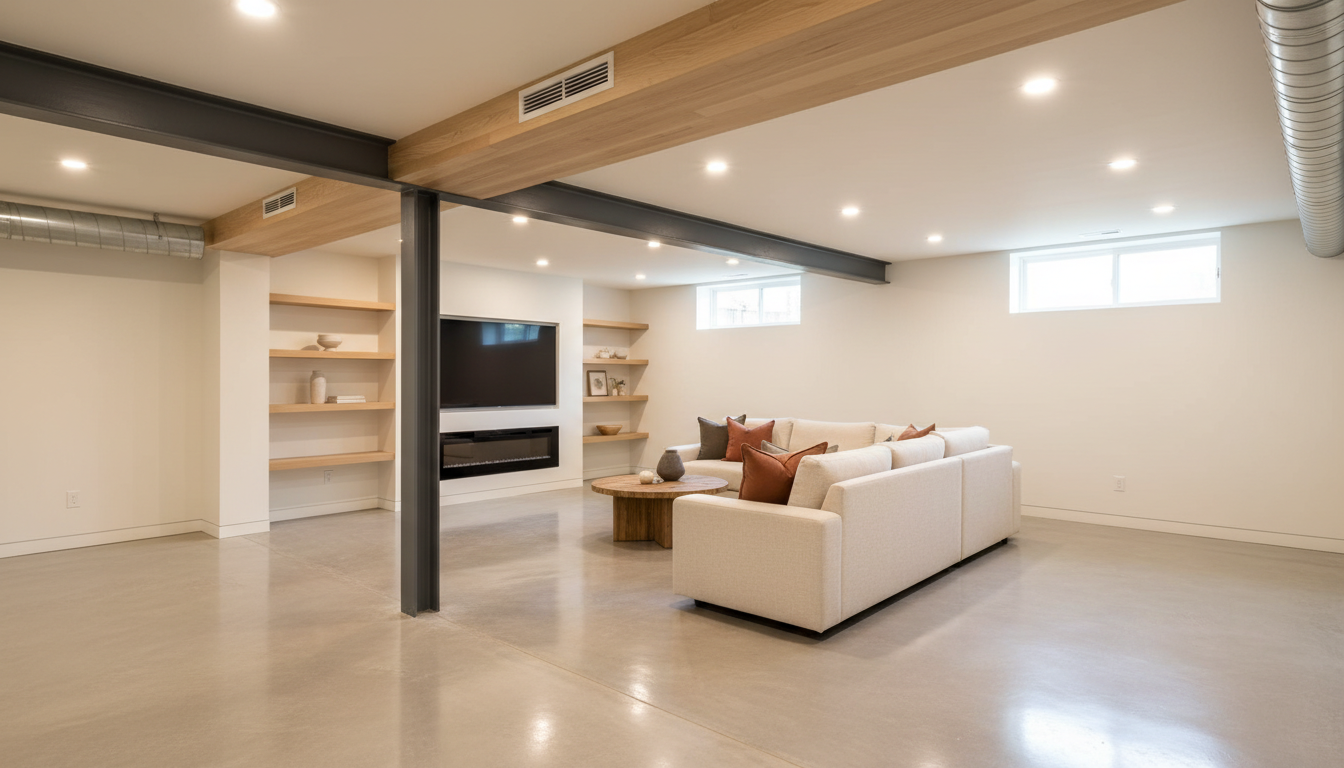
Before starting any renovation, familiarize yourself with the local building codes. These regulations ensure safety and compliance, covering aspects such as ceiling height, emergency exits, and ventilation. Consulting with a local contractor or architect can help clarify these requirements.
Basements typically require a minimum ceiling height, often around 7 feet. Additionally, you'll need to ensure there are proper emergency exits, which usually involve adding egress windows or doors. These elements are crucial for the safety and legality of the living space.
Obtain Necessary Permits
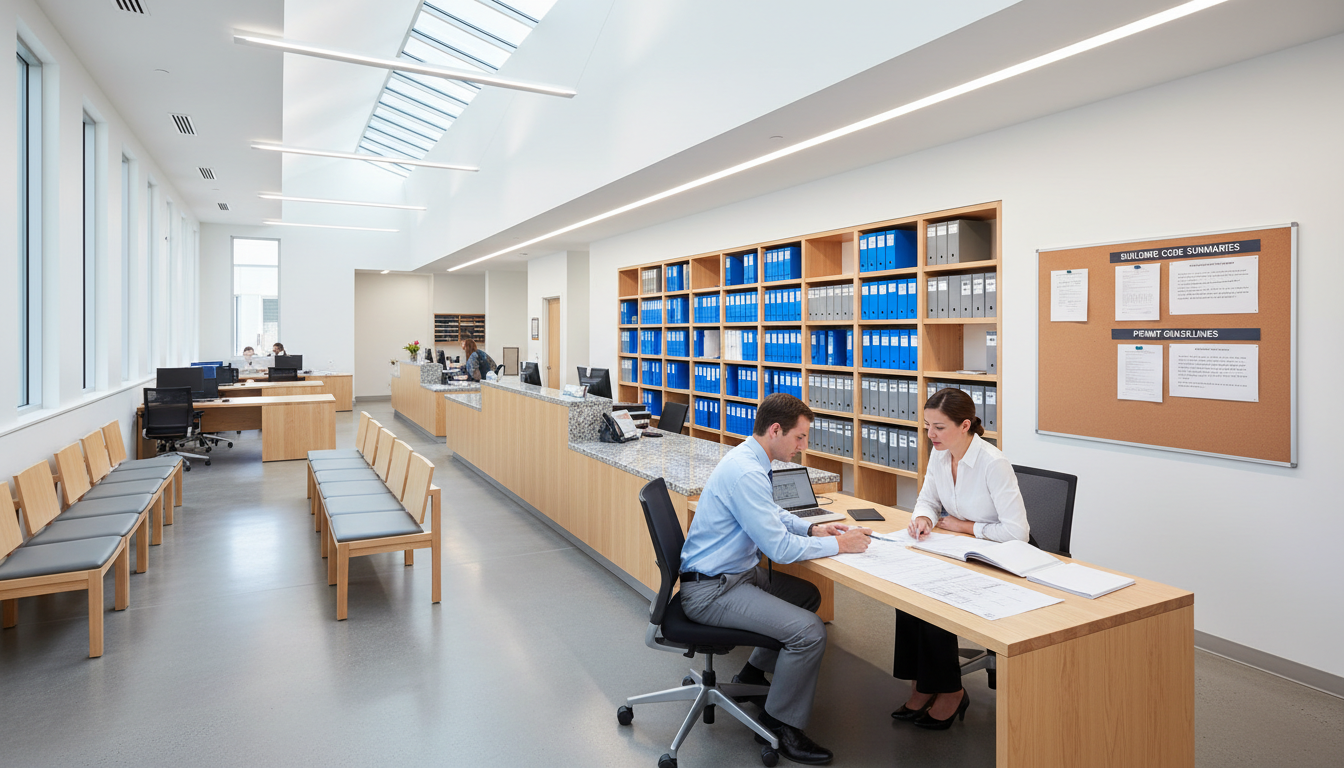
Acquiring the necessary permits is a critical step. This process involves submitting your renovation plans to the local building department for approval. While it might seem cumbersome, this step ensures that all renovations meet safety standards and legal requirements. Skipping this can lead to fines or having to undo completed work.
Plan the Layout
Once you've secured the necessary permits, it's time to plan your basement's layout. Consider dividing the space into functional areas, such as a bedroom, living area, and bathroom. Think about how the space will be used and design accordingly to maximize comfort and efficiency.
When planning, don't forget to account for plumbing and electrical needs. This might involve installing new pipes or rewiring to accommodate appliances and lighting. Hiring professionals for these tasks ensures everything is up to code and safely installed.
Focus on Insulation and Moisture Control
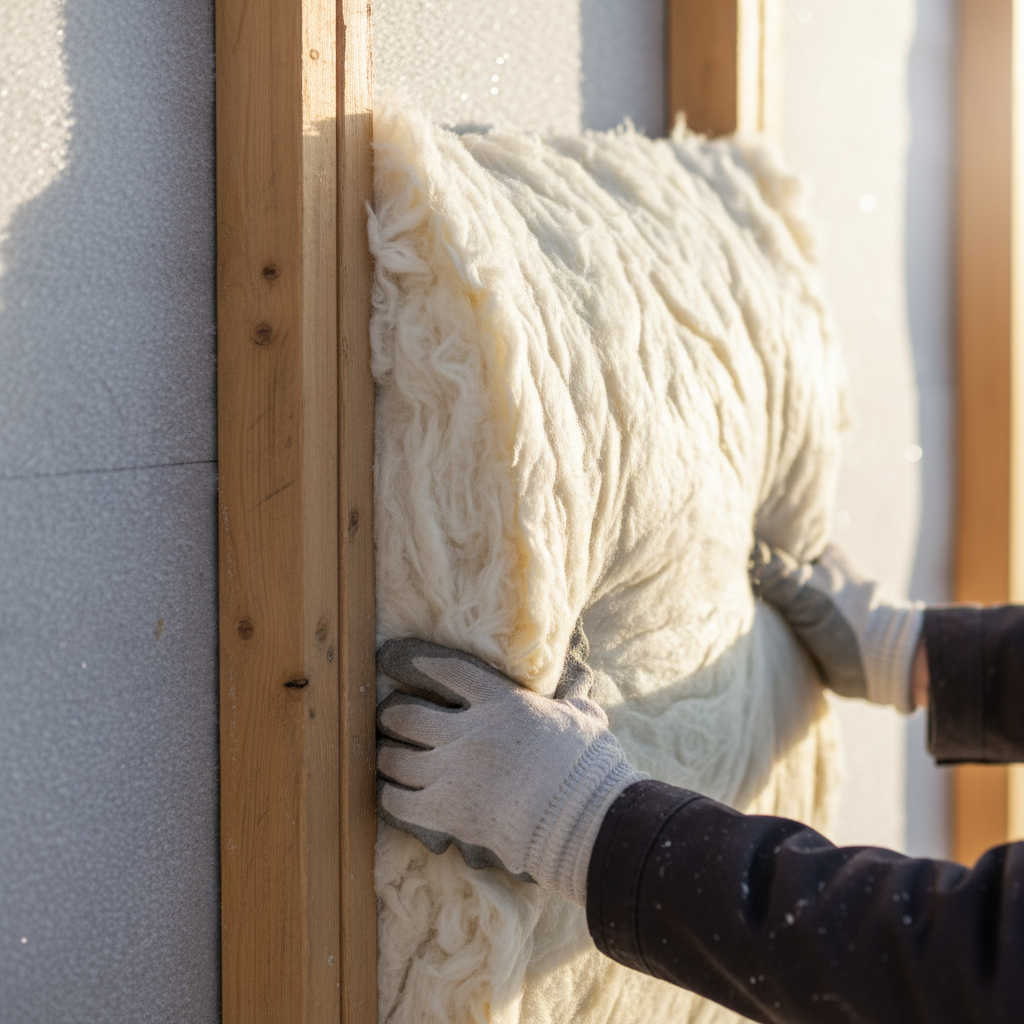
Basements are prone to moisture, making insulation and moisture control vital. Proper insulation keeps the space warm and energy-efficient, while moisture barriers prevent mold and mildew. Consider using materials specifically designed for basement environments to ensure durability and effectiveness.
Finishing Touches
With the structural and safety elements complete, you can focus on the finishing touches. Choose flooring that withstands potential moisture, such as vinyl or tile. Paint the walls with mold-resistant paint to add an extra layer of protection.
Finally, furnish and decorate the space to reflect your style and needs. This is where your basement truly transforms into a cozy, inviting living area. Whether it's a guest suite or an entertainment room, the possibilities are endless.
Inspection and Certification
After completing your renovation, schedule an inspection with your local building department. This ensures all work complies with the codes and that your basement is a legal living space. Once approved, you'll receive certification, giving you peace of mind and potentially increasing your property's value.
Transforming your basement into a legal living space is a rewarding project that offers both functional and financial benefits. By following these steps, you can create an additional living area that is safe, comfortable, and compliant with local regulations.